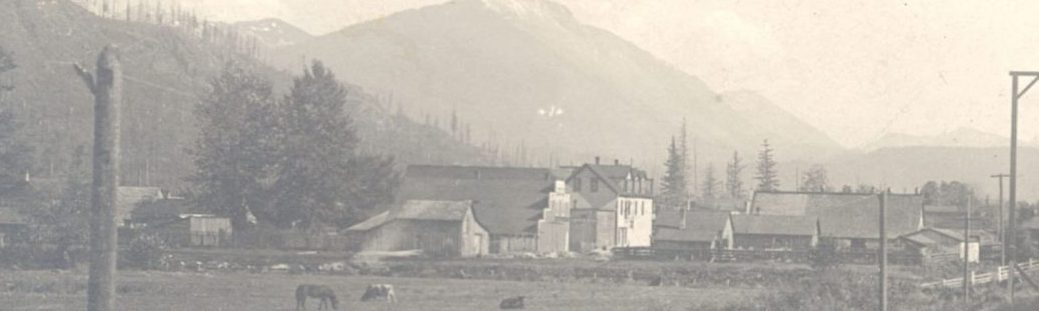

We collect, preserve, and share the history of the Snoqualmie Valley, so present and future generations can understand our past.
Vision
As a vibrant educational center our vision aspires to link past, present, and future with stories told through media and exhibits that build strong community ties. Through inclusivity, education, and preserving cultural heritage we foster a local dialogue and sense of place that reaches a broader national audience. Our educational outreach grows with our community and welcomes curiosity and connection that celebrates the unique experience of the Snoqualmie Valley.

the Museum today
The Museum incorporated in March 1972 as a 501(c)3 non-profit corporation under the name Snoqualmie Valley Historical Society EIN 23-7249714. Today, we do business under the name Snoqualmie Valley Museum.
The Snoqualmie Valley Museum operates year-round, open Thursday through Tuesday, 10:00 am –5:00 pm, with consistent professional staffing to ensure stable public access. Admission remains free to maintain equitable access for local families, students, seniors, researchers, and visitors.
We directly serve approximately 3,000 in-person visitors annually, 15,000 additional participants through pop-up and traveling exhibits, and more than 24,000 individuals through digital engagement, research assistance, and online content.
Exterior interpretive installations in Gardiner Weeks Park extend access to thousands more park visitors each year.
Educational programming is expanding under the guidance of a full-time Museum Educator. We provide curriculum-aligned school programs, youth engagement activities, History 101 lectures, and community presentations. Programming increasingly centers Indigenous history as foundational to Valley history, developed in collaboration with the Snoqualmie Tribe to ensure respectful and accurate interpretation.
We maintain an active digital presence, publish quarterly newsletters, and continue producing local history publications, including Images of America: Snoqualmie Valley, developed in partnership with the Snoqualmie Tribe and Valley historical societies.
The Museum serves the full 900-square-mile Snoqualmie Valley region, including North Bend, Snoqualmie, Fall City, Preston, Carnation, Duvall, and surrounding rural communities. Approximately half of our visitors are Valley residents; the remainder are regional, national, and international visitors. Many are newcomers seeking to understand the deep cultural history of the land they now call home.
As the largest and most professionally staffed historical museum in the Valley, we serve as a collaborative anchor institution. We work closely with municipal governments, regional historical societies, the Snoqualmie Valley School District, Meadowbrook Farm, and the Mountains to Sound Greenway National Heritage Area. We are working to integrate into a shared collections database and formalize partnerships to strengthen long-term preservation capacity across the region.